Our Researchers
Zuzana Bodnárová
Zuzana Bodnárová is a researcher at the Plurilingualism Research Unit of the University of Graz. Her research focuses on the variation and change of Romani dialects in contact with Hungarian and on the maintenance of Romani as a heritage language. She studied Romani Studies and Cultural Studies at the Charles University in Prague and obtained her PhD in General Linguistics from the same university. She has participated in several Romani-related projects of the Charles University in Prague, University of Helsinki, University of Graz and University of Manchester, which involved linguistic field work in Romani communities in various countries in Central Europe and the Balkans. Her research interests include contact linguistics, dialectology and sociolinguistics with a focus on Romani dialects influenced by Hungarian.
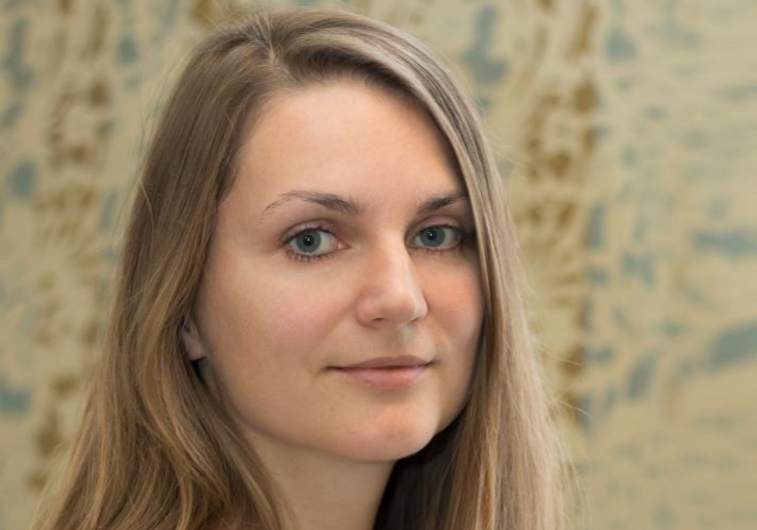

Julia Gspandl
Julia Gspandl is a sign language researcher and sociolinguist at the Plurilingualism Research Unit of the University of Graz. She studied at the University of Graz and the University of Vermont and was part of the scientific team of the UNESCO 2021 World Report of Languages. As part of her work at the Plurilingualism Research Unit, she is currently pursuing a PhD on deaf migrants and their unique semiotic repertoires and languaging capacity. Her research interests include sign language acquisition, the intersection of sign language and gesture and sociolinguistics with a focus on minority languages.
Angelika Heiling
Angelika Heiling is a sociolinguist and cultural and literary scholar at the Plurilingualism Research Unit of the University of Graz. She attained her MAs in the fields of English and American Studies and Gender Studies at the University of Graz and the University of Aberdeen and was part of the scientific team of the UNESCO 2021 World Report of Languages. Her research interests include critical sociolinguistics, urban multilingualism, Southern African multilingualism, and topics from cultural and literary studies.

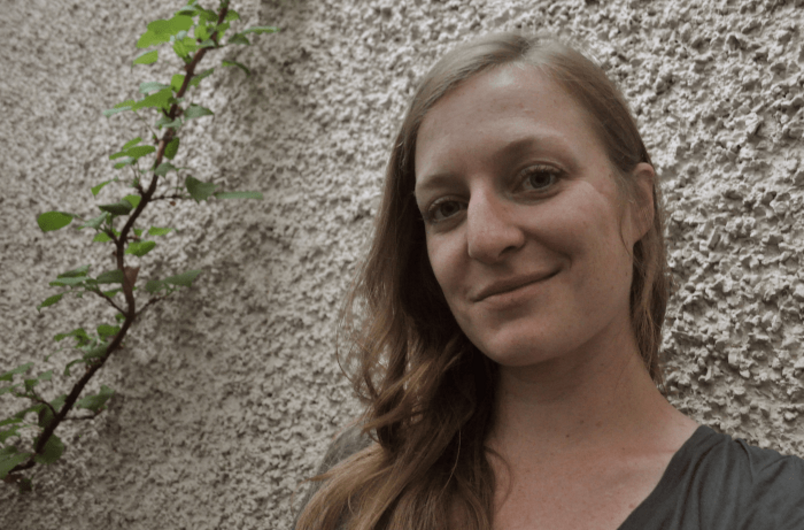
Daphne Reitinger-Zemann
Daphne Reitinger is a linguist focusing on multilingualism research and contact linguistics. She earned her degree at the University of Graz, where she is currently pursuing a doctoral program in linguistics. As part of her work at the Plurilingualism Research Unit, she is writing her dissertation on social and cognitive factors in second language mastery among multilingual adults and conducting research on Romani-German language contact. Her research interests include language contact, sociolinguistics, cognitive linguistics, and multilingualism.
Giulia Tardivo
Giulia Tardivo is a literary scholar, university lecturer, language trainer and translator. She teaches Italian in Graz at the Faculty of Romance Studies, the University of Technology, and at treffpunkt sprachen. She studied German, English and Italian at the University of Trieste. During a series of language courses abroad (Portugal, France, Israel) she acquired further high-level language skills. She pursued her interest in literature at Hillsdale College (Michigan), where she completed courses on Dante's “Divine Comedy” and narrative aspects of the Bible.
The focus of her scholarly activity is the prose and cinematography of Italian director Paolo Sorrentino, in whose works she has found an ideal research target matching her passion for literature with the art of film.

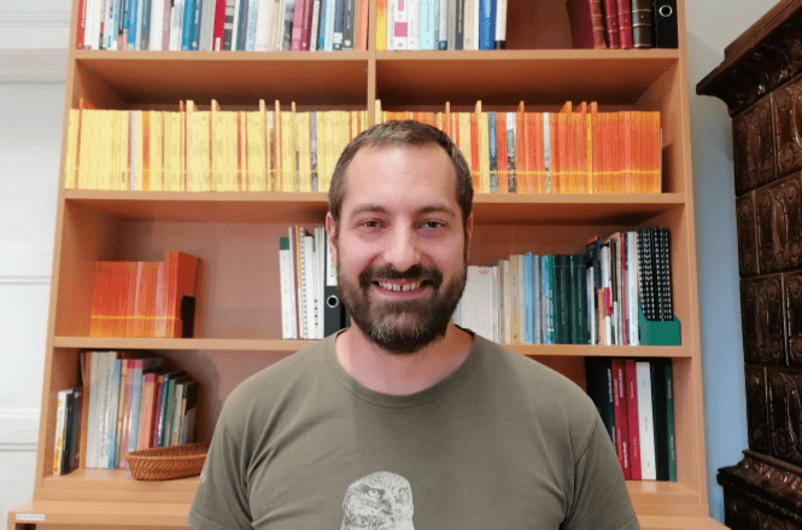
Jakob Wiedner
Jakob Wiedner works as a researcher at the Plurilingualism Research Unit at treffpunkt sprachen at the University of Graz. His main interests are the analysis of metalinguistic discourses, i.e. the question of what meaning languages have in our everyday life, and the analysis of language contact phenomena in the region of the former Habsburg Monarchy. Wiedner considers Romani to be the most European of all European languages and wants to further knowledge on this language with its various dialects, which have always been in close contact with their neighboring languages. He studied linguistics in Graz, Vienna and Oslo. He has been involved in several Romani-related projects at the University of Graz, Charles University in Prague, the University of Oslo, and the University of Manchester and has conducted field work in Austria, Romania, Serbia and Norway.